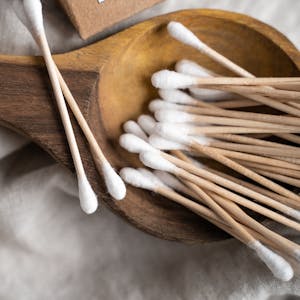
Are Q-tips safe? Most people use Q-tips or cotton swabs to clean their ears, but doctors and ENT specialists strongly advise against it. Even though it feels satisfying, using Q-tips in your ear canal can actually cause more harm than good. So, are Q-tips safe in your ears? Are Q-tips safe? And what happens if you regularly put a Q-tip in your ear canal? Let’s break down the facts.
Are Q-Tips Safe to Use in Your Ears? (Short Answer: No)
ENT doctors agree: You should NOT put Q-tips inside your ear canal. Q-tips are not designed for ear cleaning and can lead to serious problems, like pushing earwax deeper, eardrum injury, hearing loss, and infections. Even Q-tip boxes clearly say, “Do not insert into ear canal.”
Many ask, are Q-tips safe? The answer is crucial for ear health.
- Pushing earwax deeper
- Eardrum injury
- Hearing loss
- Ear infections
What Happens When You Put Q-Tips in Your Ear?
1. Q-tips push earwax deeper, not out
Most people think they’re removing wax, but they’re actually pushing wax toward the eardrum, making it harder and more compacted. This creates a buildup called impacted earwax.
- muffled hearing,
- ringing in the ears,
- discomfort, and
- a feeling of fullness
2. You can injure or perforate your eardrum
A sudden movement, light pressure, or accidental push can tear the eardrum, cause sharp pain, and even lead to temporary or permanent hearing loss.
Considering whether Q-tips are safe can help prevent harm.
3. Q-tips can cause ear infections
Using Q-tips in your ear canal can irritate the skin and remove natural protective oils, creating tiny cuts that let bacteria in. This increases the risk of ear infections, medically known as otitis externa or “swimmer’s ear.” Symptoms may include itching, redness, pain, swelling, and sometimes fluid discharge. Regular Q-tip use can make your ears more prone to recurring infections, which is why doctors recommend avoiding inserting anything into the ear canal.
4. You may trigger itching and dryness
Using Q-tips removes the ear’s natural oils, which can lead to dryness and itching. This often creates a cycle in which you feel the need to clean your ears more frequently, which only causes more irritation. The ear canal is sensitive, and repeated swabbing can make it inflamed, itchy, and uncomfortable, even if no infection occurs. Leaving the natural wax alone keeps your ears moisturized and protects the skin lining.
Why Do We Have Earwax Anyway? (It’s Actually Good)
- trap dust and bacteria
- prevent infections
- Keep ears moisturized
- clean the ear naturally
Understanding the risks can answer the question, ” Are Q-tips safe?
So, How Do You Clean Your Ears Safely?
So, are Q-tips safe for everyday use? The answer is no.
- Use a warm, damp cloth,
- Use ear drops or a few drops of oil,
- Use a bulb syringe,
- Visit an ENT or doctor
Considering if are Q-tips safe is essential in ear care.
What You Should Never Use in Your Ears
- Q-tips
- bobby pins
- toothpicks
- matchsticks
- ear candles
- sharp objects
- metal scoops
Signs You Have Earwax Blockage
If you’ve used Q-tips or feel your ears are blocked, watch for these warning signs. Blocked or impacted earwax can cause:
- Muffled hearing
- Ringing in the ears (tinnitus)
- Ear fullness or pressure
- Dizziness or imbalance
- Pain or discomfort
- Itching inside the ear canal
If you notice any of these symptoms, avoid using Q-tips and see a healthcare professional for safe removal.
Why People Still Use Q-tips Despite Warnings
Many people continue using Q-tips out of habit or for the short-term satisfaction of feeling “clean.” It’s a learned behavior, often passed from childhood. People may also mistakenly believe that earwax is dirt that needs to be removed. However, the more Q-tips you insert, the greater your risk of earwax impaction, injury, and infection. Understanding the dangers helps break the cycle and encourages safer ear hygiene practices.
Safe Alternatives to Q-Tips
You don’t need Q-tips to maintain ear health. Safe alternatives include:
- Wiping only the outer ear with a warm, damp cloth
- Using over-the-counter ear drops to soften wax
- Gently flushing ears with a bulb syringe using warm water
- Visiting an ENT or doctor for professional earwax removal
Tip: Never insert anything sharp or pointy inside your ear canal — it increases the risk of injury and infection.
External Sources
Remember, are Q-tips safe? The answer is a hard no.
So, are Q-tips safe? Many still wonder despite warnings.
Conclusion: Should You Use Q-Tips in Your Ears?
Are Q-tips safe? The answer is no. Using Q-tips in your ear canal is not safe. They push wax deeper, increase the risk of infection, and can damage your eardrum. Your ears clean themselves naturally, so the safest method is to clean only the outer ear or use approved alternatives. If you experience discomfort or wax buildup, consult a doctor.
Looking for more practical health and workplace answers?
Read our guide on working two jobs legally.
Frequently Asked Questions (FAQs)
Why does it feel good to use Q-tips?
Q-tips stimulate nerves in the ear canal, triggering a pleasurable sensation. This is why people often feel compelled to keep cleaning their ears.
Can Q-tips cause hearing loss?
Yes. Pushing wax too deeply into the ear or damaging the eardrum can cause temporary or permanent hearing loss.
What if I accidentally pushed wax too deep?
Please do not attempt to remove it yourself. Visit a doctor for safe removal.
How often should I clean my ears?
Most people don’t need to clean the ear canal. Only clean the outer ear as required.
When it comes to ear hygiene, “Are Q-tips safe?” is a vital topic.
Curiosity about whether Q-tips are safe persists among users.
FAQs often include: Are Q-tips safe for ear cleaning?
Ultimately, if you ask, are Q-tips safe? The evidence says no.